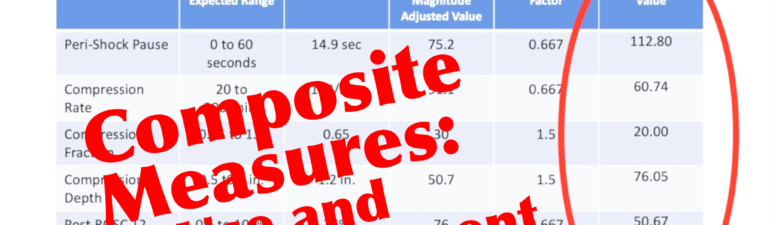
Composite measures are useful tools for summarizing groups of metrics as a single metric. This webinar shows how to build composite measures based on polarity, magnitude and weighting. The example used throughout this webinar was building a basic cardiac resuscitation performance measure consisting of five process metrics – compression rate, depth, peri-shock pause, compression fraction… Read More
Webinar – Advanced Performance Metrics: Process Capability and the Process Capability Index
This webinar illustrates how process capability indexes contrast the reality of process performance against process specifications that have both lower and upper specifications – like too slow or fast, large or small, etc. The example used in the webinar tells the story of an ad hoc improvement project team that went through several process changes… Read More
Webinar – System Level Measurement and Improvement
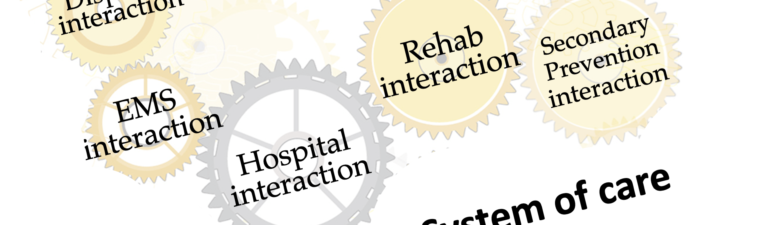
Measuring and improving performance at a systems-level has several unique challenges. In order to measure how well the system of care for a time sensitive emergency is working, we need to combine data across multiple entities. In some communities, this can get quite complex with multiple hospitals and multiple EMS agencies. It may require organizations… Read More
Webinar – EMS STEMI Alerts: Improving Accuracy
This webinar discusses EMS STEMI Alerts in systems of care. The role and importance of EMS STEMI Alerts are described. The definition of overcall and undercalls are explored followed by discussion of ways to balance them to optimize clinical quality and operational efficiency. A panel discussion with Tom Bouthillet, Tim Phalen and Mic Gunderson follows.… Read More
Webinar: Implementing Time Sensitive Care Coalitions
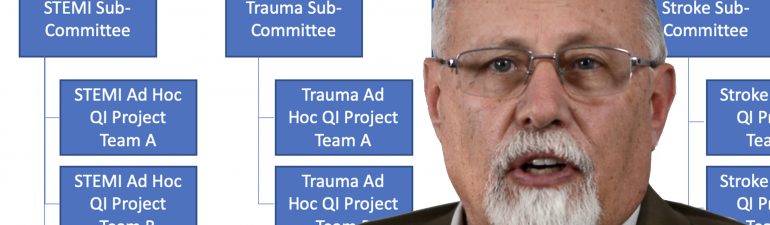
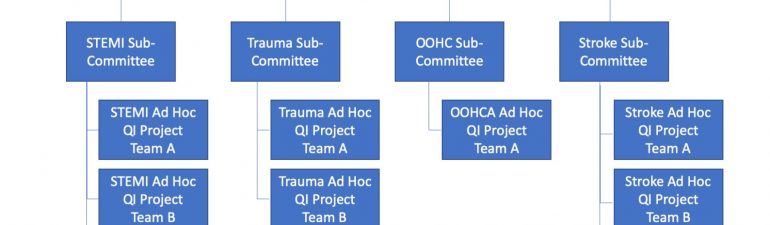
This webinar will challenge current approaches in the design and operation of systems of care for time sensitive conditions, such as those for STEMI, trauma, stroke, cardiac arrest and sepsis. The webinar will help you rethink how these systems are organized and then introduce the multi-condition Time Sensitive Care Coalitions model. This video is part… Read More
Webinar: Clinical Performance Requirements in EMS
Typically, EMS providers organizations are held accountable for meeting specified response time standards, but not for their clinical performance. This webinar considers the needs, challenges and implementation of clinical performance requirements for EMS provider organizations. The webinar also explores what some of those clinical performance requirements might be. After the main presentation, a panel discussion… Read More
Webinar – EMS Clinical Specialists: Team-Based Quality Model
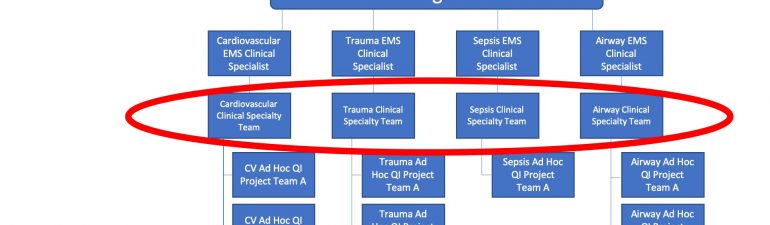
This is the fifth and final webinar in our series on the Team-Based Quality Model. This module explores the vision and implementation for a new EMS job description – the EMS Clinical Specialist. This person leads a clinical speciality team in monitoring how well a particular clinical area is functioning and finding ways to improve… Read More
Webinar – Project Teams, Charters and the Senior Management Team: Team-Based Quality Model
This is the fourth webinar in our series on the Team-Based Quality Model. It goes into further details on the team-based quality model with: Ad hoc improvement project teams The project charter document that defines work and deliverables The crucial role played by the senior management team The relationship between ad hoc project improvement teams… Read More
Webinar – Clinical Specialty Teams: Team-Based Quality Model
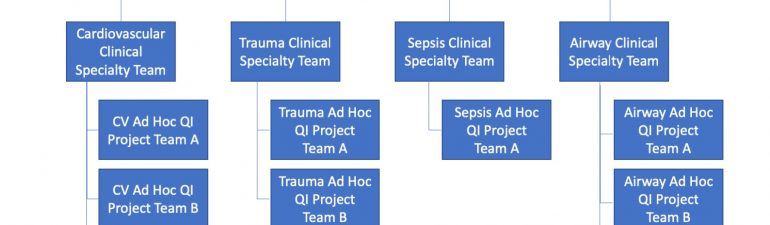
This is the third webinar in our series on the Team-Based Quality Model. Clinical Specialty Teams are small groups of staff members who share a passion for care in a clinical area, such as, cardiac arrest, STEMI, trauma, stroke, pediatrics, or airway management. These teams are empowered by the medical director and senior management team… Read More
Webinar – Structure Your System for Quality: Team-Based Quality Model
This is the second webinar in our series on the Team-Based Quality Model. This webinar helps clarify the distinction between organizational and systems-level quality improvement efforts. It goes on to present the time sensitive care coalition model for a community or region. It seeks to create synergies between separate time sensitive care committees that might… Read More